Framing Rough-In Inspections In BC: What Gets Checked And Why
May 13, 2026 | Category: Framing Resources
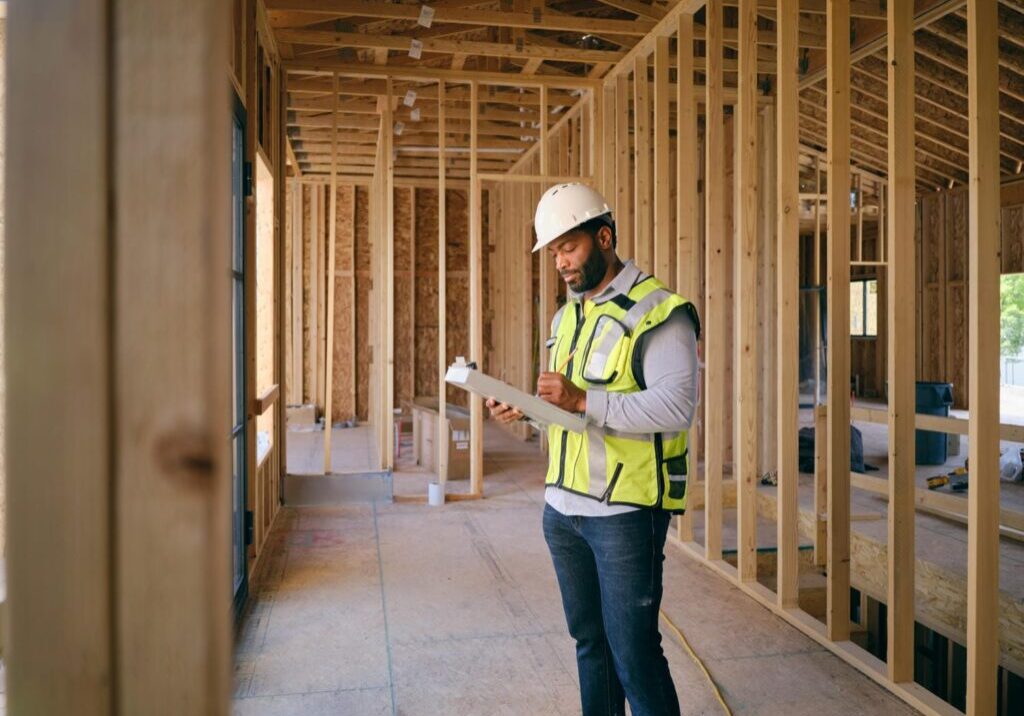
A framing rough-in inspection in BC checks whether the structure and rough-in work are ready before insulation, vapour barrier, drywall, or wall finishes cover the work. On custom home framing, inspectors and field reviewers may look at approved plans, structural framing, seismic and shear details, stairs, fire blocking, trade rough-ins, ventilation prep, smoke alarm rough-ins, and required engineering documents.
This is not just a quick look at the lumber package. A rough-in inspection is a checkpoint for the whole structure before the work becomes harder to see, correct, or document. If the frame is incomplete, trade rough-ins are still moving, or documents are missing, the project can lose time before insulation and finishing begin.
Inspection requirements vary by municipality, permit type, approved drawings, engineering scope, and project complexity. The Province of B.C.’s building or renovating permits guidance notes that permits help construction and major renovations comply with the BC Building Code, local building and land use bylaws, and health and safety standards, and that local government requirements can vary by project and location.
Framing Rough-In Inspections In BC: What Gets Checked At A Glance
A framing rough-in inspection checks whether the visible structure, related rough-ins, required documents, and site conditions are ready for municipal review. The exact checklist depends on the municipality and permit package, but most inspections focus on whether the built work matches the approved plans and whether the next stage can begin without hiding unfinished work.
For Vancouver single detached houses and duplexes, the City’s inspection stages guide states the framing inspection is performed before insulation is installed, after the sheathing membrane is installed, and after rough-in work for plumbing, gas, electrical, and mechanical systems is complete. The same guide lists structural framing, insulation preparation, zoning compliance, stairs and ramps, ventilation, smoke alarms, fire stop, fire separation, and required documents as part of that stage.
| Area Checked | What Needs To Be Ready | Why It Matters |
| Approved Plans | Current permit drawings and required documents on site | The inspector checks built work against the approved set |
| Structural Framing | Beams, posts, joists, trusses, blocking, hangers, and load paths complete | The frame must be visible and ready for review |
| Seismic And Shear Details | Hold-downs, straps, anchors, shear wall nailing, and connectors visible | Engineered details cannot be properly checked after cover-up |
| Stairs And Openings | Stair framing, headroom, landings, headers, and rough openings complete | Safety, code, and layout issues are easier to fix before finishing |
| Trade Rough-Ins | Plumbing, electrical, gas, mechanical, and sprinkler rough-ins coordinated | Trades often pass through framed walls, floors, and ceilings |
| Fire Blocking | Blocks, drops, chases, penetrations, and separations ready where required | Concealed spaces need review before insulation and drywall |
| Ventilation And Smoke Alarms | Ventilation prep, duct coordination, and smoke alarm rough-ins complete | Life safety and mechanical systems need clear routing and access |
| Required Documents | Engineer letters, truss layouts, field memos, and checklists ready | Missing paperwork can delay the inspection even if framing is close |
| Site Access | Safe access, tidy work areas, ladders, and clear inspection paths | Inspectors need to see the work without unsafe conditions |
A strong framing crew treats this checklist as part of the build sequence, not as a last-minute scramble. The best time to prepare for inspection is before the booking is made, when small deficiencies can still be corrected without pressure.
When The Framing Rough-In Inspection Happens In The Build Sequence
The framing rough-in inspection usually happens after the main structure is framed and coordinated with the required trade rough-ins, but before insulation, vapour barrier, drywall, or other finishes cover the work. The goal is simple: the inspector needs to see the structure and related rough-in conditions while they are still open.
This stage sits between “the frame is standing” and “the home is ready to close in.” On a custom home, that gap can include a lot of coordination. Roof systems, large openings, mechanical runs, fire blocking, stair details, and engineer letters may all need to come together before the inspection window makes sense.
Before Insulation And Wall Coverings
The inspection needs to happen before insulation and wall coverings because the structure must be visible. Inspectors and field reviewers may need to see framing members, connections, blocking, headers, openings, penetrations, and rough-in paths before those details are hidden. Once insulation, vapour barrier, or drywall starts, simple review becomes harder.
Covering too early can create real delays. If the inspector cannot see the work, the project may need to uncover finished areas. That adds cost, damages completed work, and disrupts the next trades.
This is why a disciplined crew protects the inspection sequence. The frame should be complete, visible, safe to access, and ready for review before the project moves into insulation or finishes.
After Trade Rough-Ins Are Ready
Trade rough-ins often affect the frame because plumbing, electrical, gas, mechanical, and sprinkler systems pass through walls, floors, ceilings, chases, and service spaces. Holes, notches, duct runs, plumbing stacks, electrical panels, and mechanical rooms can all create conflicts if they are not coordinated early.
The City of Vancouver guide states that plumbing, mechanical, sprinkler, and gas rough-in inspections are performed after the initial framing inspection but before the sheathing inspection, and that those rough-in inspections need to be coordinated on the same day. It also notes that uncoordinated inspection requests may result in a reinspection fee. Requirements and sequencing can differ by municipality, so the project team should confirm the local process before booking.
A framing crew does not replace the licensed trades, but it should understand how trade rough-ins affect framing. When trades cut, drill, route, or adjust in framed areas, the structure still has to remain clean, supported, and ready for inspection.
Why Timing Varies By Municipality
Vancouver, Burnaby, Richmond, Surrey, Coquitlam, New Westminster, Delta, Langley, Port Moody, and other Lower Mainland municipalities may each handle inspection booking, documents, and sequencing a little differently. The approved permit package, local bylaw process, and project scope all matter.
The City of Burnaby’s building inspections page states that inspections happen during various phases to confirm construction conforms to approved plans, codes, regulations, and bylaws. It also notes that the permit holder is responsible for arranging necessary inspections, and that inspection types vary based on the permit.
So, the safest approach is not to assume one city’s process applies everywhere. Before booking, the builder or permit holder should confirm what must be complete, what documents are required, and which inspections need to happen before the next stage.
What Inspectors Look For In The Structure
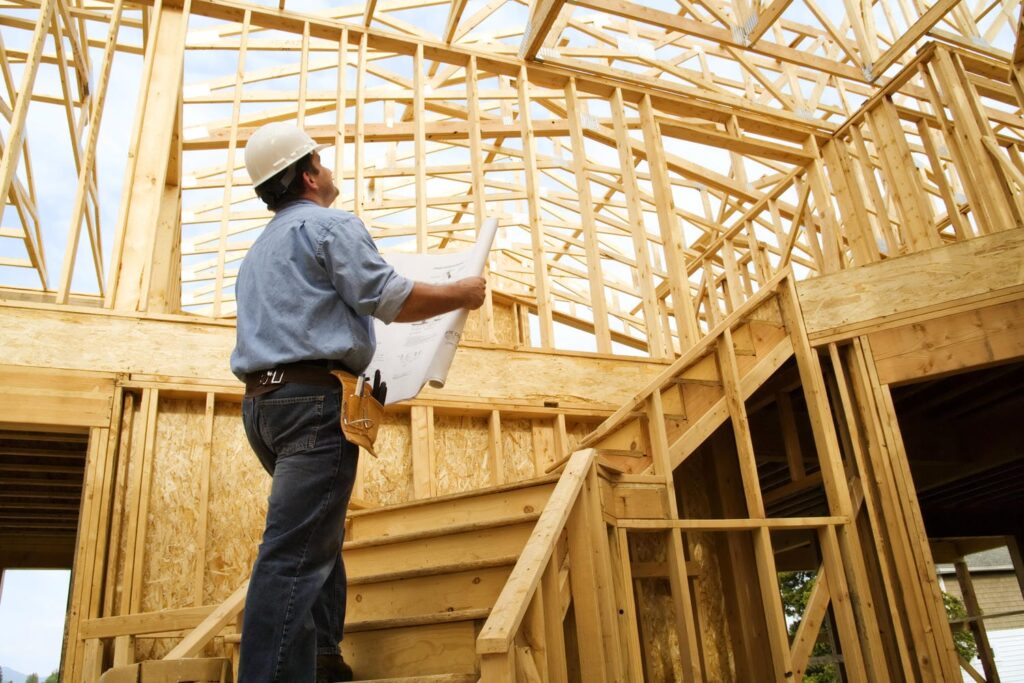
The framing inspection starts with the structure. Inspectors are looking at whether the building frame matches the approved drawings and whether key structural elements are complete, visible, and ready for review. This includes the parts that carry loads and the details that tie the structure together.
For a custom home, structural review can be more involved than a simple repeat build. Large spans, engineered beams, tall walls, complex roofs, recessed areas, heavy glazing, and architectural stairs can all add coordination points. These details need field leadership before inspection day.
Approved Plans, Layout, And Dimensions
The inspector is checking the built work against the approved drawings, not against memory or site assumptions. Floor layouts, wall locations, openings, room dimensions, crawlspace areas, stair openings, roof forms, and floor-to-ceiling heights need to align with the permit set.
A good framing crew checks layout before the inspection is booked. Small differences can become major issues when they affect stairs, headroom, egress, exterior height, zoning compliance, or structural loads. It is better to catch those differences during an internal walkthrough than in front of the inspector.
On a custom home, drawing coordination also needs to account for architectural intent. The frame has to support the design while still meeting the approved plans, engineer’s details, and inspection sequence.
Beams, Posts, Joists, Trusses, And Bearing Points
Inspectors may review beams, posts, joists, rafters, trusses, blocking, hangers, connectors, bearing points, and point loads. The question is whether the load path is clear and whether the structural framing is complete enough to review.
Missing hangers, incomplete blocking, wrong joist direction, unsupported point loads, or unclear beam bearing can all delay inspection. These are not cosmetic issues. They affect how the building transfers load from roof to foundation.
This is where experience matters. Red Seal-led carpenters are more likely to catch incomplete structural details before the inspection is booked, especially on homes with engineered lumber, large openings, and complex rooflines.
Seismic, Shear, Hold-Down, And Connector Details
In BC, seismic and shear details are a key part of residential framing. Inspectors and field reviewers may need to see hold-downs, straps, anchors, connectors, blocking, shear wall nailing, and other engineered details before walls are covered.
This section should not be treated as a seismic design guide. The structural engineer and approved drawings set the requirements. The framing crew’s role is to execute those details cleanly, keep them visible for review, and raise questions when a field condition does not match the drawings.
On custom homes, these details often connect back to foundation layout and anchor placement. A clean foundation-to-framing handoff helps the crew start with better alignment, clearer bearing points, and fewer surprises at rough-in inspection.
What Inspectors Look For Around Stairs, Openings, And Height
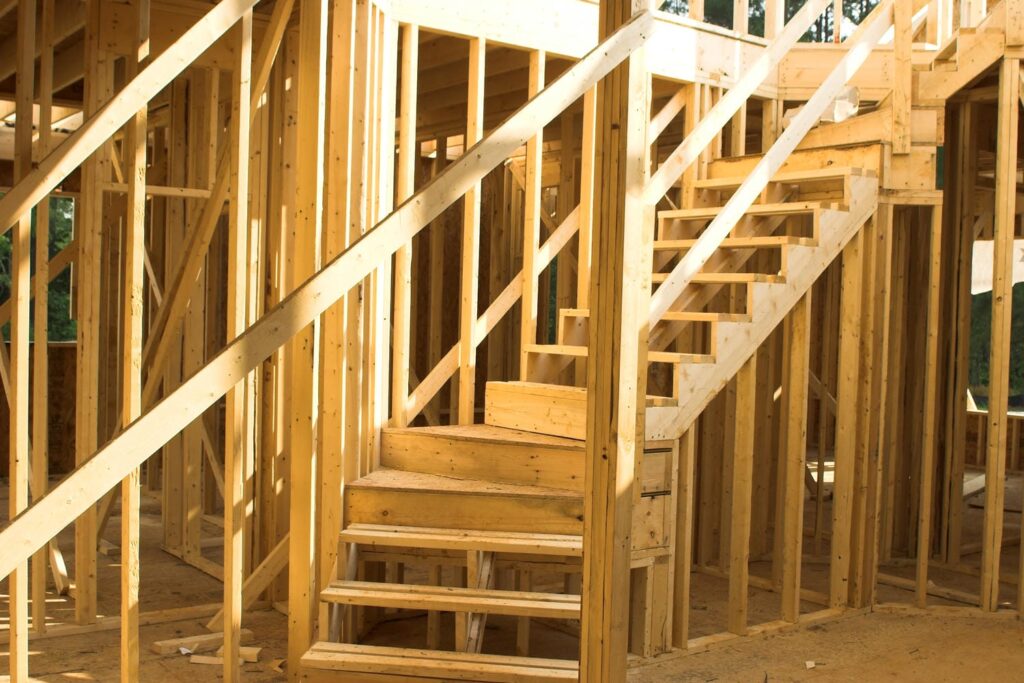
A framing inspection is not only about beams and walls. Stairs, ramps, headroom, window openings, door openings, roof slopes, ceiling heights, and building height can all affect safety, code compliance, zoning, and the finished feel of the home.
These items matter because they are much harder to correct later. A stair that misses headroom, a roof slope that changes height, or a large opening framed without the right support can affect the schedule long after the framing crew has left the site.
Stairs, Ramps, Headroom, And Landings
Inspectors may review stair rise, run, tread, headroom, landings, framing support, and guard or handrail preparation where applicable. In the Vancouver inspection guide, stairs and ramps are part of the framing inspection items, with rise, run, tread, and headroom checked against approved plans and the Vancouver Building By-law.
Custom homes often include more complex stair conditions than standard plans. Open risers, feature stairs, tall entry volumes, poured stairs, and tight stair openings all need coordination between the framer, builder, designer, and engineer.
A framing crew should not wait until finishing to think about stairs. Stair geometry begins in the frame, and inspection is the right time to catch conflicts before drywall, railings, and finished treads make corrections more expensive.
Windows, Doors, Skylights, And Large Openings
Large openings affect headers, beams, support posts, waterproofing prep, and envelope sequencing. Rough opening sizes, trimmer layouts, header details, and alignment with approved plans need to be checked before inspection.
Custom homes often use large glazing, corner windows, lift-and-slide doors, skylights, and complex roof forms. These features look simple in finished renderings, but they require careful field execution. The framing has to support the opening and leave the next trades with a clean path forward.
A missed rough opening can delay windows, doors, envelope work, and interior finishes. That is why a good crew checks openings as part of the pre-inspection walkthrough, not only when the supplier arrives.
Floor Heights, Ceiling Heights, And Roof Slopes
Floor heights, ceiling heights, crawlspace areas, garage slab elevations, roof slopes, and overall building height can all come into the inspection conversation. In the Vancouver guide, zoning compliance items for framing include floor-to-ceiling height, floor system thickness, crawlspace areas, truss slope, and roof material matching the approved plans.
This is one reason framing accuracy affects the whole project. A change in framing depth or roof slope can affect exterior height, stair geometry, insulation details, envelope transitions, and final approval.
Good framing is measured, checked, and coordinated. It should not rely on force-fit solutions once other trades are already moving through the site.
How Rough-In Trades Affect The Framing Inspection
Rough-in trades affect framing because they run through the same walls, floors, ceilings, and service spaces that the frame depends on. Plumbing stacks, duct routes, electrical runs, gas lines, sprinkler piping, and mechanical systems all need room, but they cannot weaken the structure or hide unresolved framing issues.
This is why the rough-in inspection stage needs coordination, not just carpentry. A builder may have several trades working toward the same inspection window, and each trade can affect the other. The framing crew needs to understand where structure and services meet.
Holes, Notches, Chases, And Protection
Holes, notches, chases, straps, guards, and protection plates are common rough-in issues. They need to be coordinated so joists, studs, plates, and other structural members are not weakened outside the approved design.
A Red Seal-led framing crew should review penetrations before the inspection is booked. Oversized holes, unclear routing, damaged members, or missing protection should be caught early. The goal is to avoid surprise deficiencies when the inspector is on site.
This is also where clean communication helps. If a trade needs more space than the frame allows, the answer may come from the builder, designer, or engineer. It should not be solved by guesswork with a saw.
Ventilation, Smoke Alarms, And Mechanical Coordination
Ventilation prep, duct coordination, smoke alarm rough-ins, and mechanical penetrations can all appear in the framing inspection sequence. The Vancouver guide lists ventilation system review, smoke alarm rough-in, and insulation preparation details as part of the framing inspection items.
The framing crew does not replace licensed mechanical or electrical contractors. However, it does help create the backing, chases, openings, and access those systems need. If a duct route conflicts with a beam, or a smoke alarm location conflicts with a ceiling feature, the issue needs to be raised before cover-up.
Custom homes often make this more important. Tall ceilings, dropped areas, hidden mechanical routes, recessed lighting, and tight joist spaces can all create conflicts if the structure and trades are not coordinated early.
Coordinated Trade Inspections Reduce Reinspection Risk
Uncoordinated rough-ins can delay framing inspection or force a reinspection. The builder should confirm what trade inspections are required, what permits are active, and what must be complete before booking. The framing crew should confirm the structure is ready for trades to be reviewed without damaging or altering the frame.
The Vancouver guide notes that uncoordinated plumbing, mechanical, sprinkler, and gas inspection requests may result in a reinspection fee. Burnaby notes that an additional fee may apply if a site or building is inaccessible to the inspector, if previously identified incomplete work remains, or if further inspections are required to address non-compliance.
This is a scheduling issue as much as a technical issue. A project that books before it is ready may lose inspection time, delay insulation, and push back finishing trades.
Fire Blocking, Fire Stopping, And Separations
Fire blocking, fire stopping, and separation details are easy for owners to miss because much of the work happens inside walls, chases, and concealed spaces. Inspectors look for these items before they are covered because they can affect fire and smoke movement through hidden cavities.
The exact requirements depend on the building type, approved plans, municipality, and applicable code requirements. A single detached custom home, side-by-side duplex, secondary suite, or renovation with new separations may each have different details to coordinate.
Fire Blocks, Drops, And Chases
Fire blocking helps limit concealed pathways where smoke and flame can move. Drops, chases, soffits, tall wall cavities, and service runs all need attention before insulation and drywall go in. The Vancouver framing inspection guide lists fire blocks, drops, and chases as completed items under fire stop.
These details are usually easier to correct while the structure is open. Once walls are closed, a missed block can mean cutting into finished or semi-finished work.
A framing crew should build these details into its internal inspection walk. They should not be left as a small task for someone else to remember later.
Fire Stopping At Penetrations
Fire stopping may be required where plumbing, electrical, or other services pass through fire separations. The correct approach depends on the approved assembly, building type, and local requirements, so it should be coordinated with the builder, trades, and design team.
The Vancouver guide specifically refers to fire stopping of plumbing and electrical penetrations at fire separations for side-by-side duplex conditions. That is a good example of why framing and trades need to coordinate before walls are covered.
The framing crew should not prescribe fire-stopping systems outside its role. The practical task is to make sure penetrations are visible, accessible, and understood before the inspection happens.
Duplexes, Suites, And Separation Details
Duplexes, secondary suites, laneway homes, and major renovations can add separation details that are more involved than a simple single-family layout. Inspectors may need to confirm continuity, blocking, penetrations, rated assemblies, and how separations tie into floors, roofs, and foundations.
The Vancouver guide notes that vertical fire separation is to be continuous from roof sheathing to foundation for duplex conditions. That is the kind of detail that needs clear field execution before insulation and wall finishes hide the work.
For heritage homes and major renovations, separation details can become more complex because new work has to meet existing conditions. When structural upgrades are part of the scope, heritage home structural upgrades should be coordinated early so inspection readiness is not left to the end.
Documents To Have Ready Before The Inspection
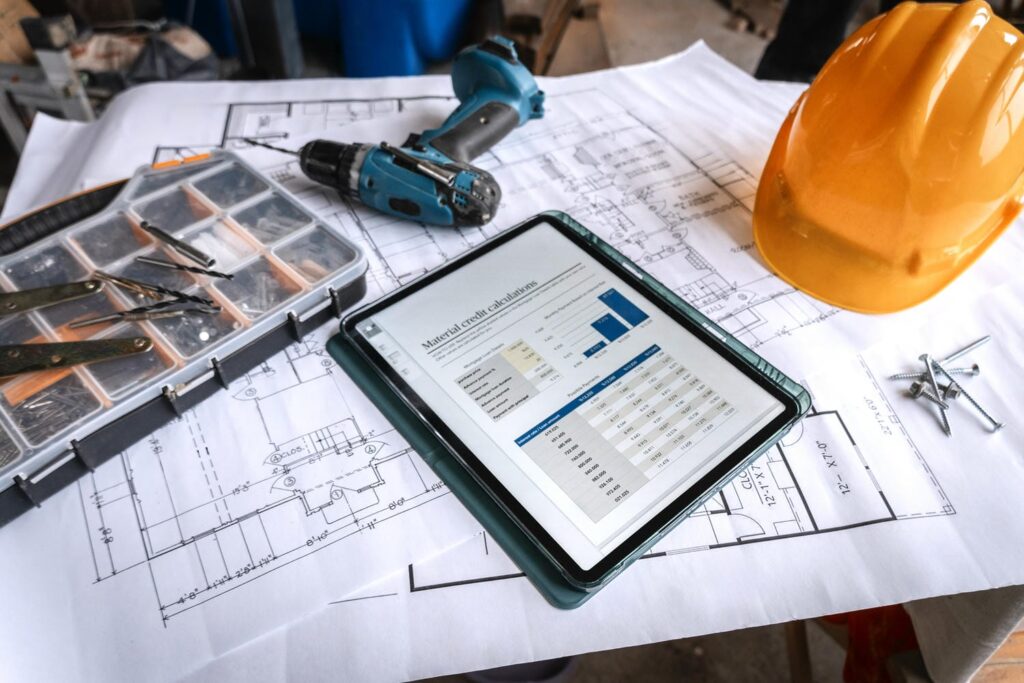
A framing inspection can be delayed even when the physical work is close to complete if the required documents are missing. Inspectors and field reviewers need approved drawings, permit information, engineer letters, truss layouts, field memos, and project-specific checklists where required.
Documents matter because inspection is not only a visual walk-through. It is a comparison between what was approved, what was engineered, and what was built. If the reviewer cannot confirm the work against the right documents, the project may not be ready to move ahead.
Approved Drawings And Permit Documents
The approved permit drawings should be available in the format required by the municipality. The inspector needs to compare the built framing to the approved plans, so missing, outdated, or incomplete drawings can slow the inspection.
Burnaby’s general building information page states that the applicant is responsible for keeping a copy of the City-issued building permit posted on site and maintaining a full-size colour set of City-approved and City-stamped drawings at the job site for inspection purposes.
On a custom home, the drawing set may include architectural drawings, structural details, truss layouts, addenda, field memos, and revisions. The site team should know which set is current before the inspection is booked.
Engineer Letters, Truss Layouts, And Field Memos
Custom homes often require letters or field review documents from the structural engineer, roof truss supplier, geotechnical engineer, or other registered professionals. These may include framing letters, truss letters, field memos, deck membrane letters, or documents for poured stairs.
The City of Vancouver guide lists required documents for framing inspection, including a P.Eng. letter for framing, a P.Eng. letter for roof trusses, an engineer’s field memo for any poured stairs, and a TECA mechanical ventilation checklist. Requirements vary by project and municipality.
The practical lesson is simple. Do not wait until inspection morning to ask what paperwork is missing. A builder, framer, and consultant team should confirm the document list before booking.
Site Safety, Access, And Readiness
Inspectors need safe access and a tidy site to review the work. Ladders, temporary stairs, lighting, access paths, floor openings, guardrails, permit documents, and site contact information should be ready. If the inspector cannot safely see the work, the inspection can stall.
Burnaby notes that additional fees may apply if the site or building is inaccessible to the inspector, if previous incomplete work remains, or if further inspections are required to address non-compliance.
Site readiness is part of inspection readiness. A clean, safe, and accessible frame shows that the project team respects the process and the next trades.
Common Reasons A Framing Rough-In Inspection Gets Delayed
Most rough-in inspection delays come from a short list of preventable issues. The frame is not complete, connectors are missing, trade rough-ins are still changing, documents are not ready, or the site is not safe and accessible. None of these are rare, but most can be reduced with a good pre-inspection process.
The key is to avoid treating inspection as a finish line for carpentry alone. It is a checkpoint for framing, trades, documents, access, and coordination. If one part is not ready, the whole sequence can slow down.
Incomplete Framing Or Missing Connectors
Incomplete blocking, missing hangers, loose straps, missing hold-downs, incomplete truss bracing, unfinished openings, or unresolved structural details can all delay approval. The inspector needs to see that the frame is complete enough for review.
A good crew should walk the site before booking. That means checking the drawings, beams, posts, joists, trusses, blocking, connectors, stairs, openings, and engineer notes. The best inspection preparation happens before the inspector arrives.
This is where Red Seal-led field leadership matters. Experienced carpenters know where small omissions hide and how to close them before they become inspection deficiencies.
Trade Rough-Ins Are Not Ready
Trade rough-ins can delay inspection when plumbing, electrical, gas, mechanical, or sprinkler work is not complete or still changing the frame. Trades may still be drilling, routing, cutting, protecting, or adjusting while the project team thinks the structure is ready.
The builder should confirm the trade sequence with the municipality and permit package. Some reviews may need to happen in a specific order, and some rough-ins may need to be coordinated together.
A framing crew can help by identifying trade conflicts early. If a chase, duct path, plumbing stack, or panel location is likely to affect the frame, the team should solve it before booking.
Work Is Covered Too Early
Covering framing or rough-in work too early can create a serious delay. If the inspector cannot see the structure, penetrations, fire blocking, or rough-in details, the project may need to uncover the work.
The rule is practical: do not insulate, vapour barrier, drywall, or conceal areas that still need inspection. Confirm the inspection sequence before the next trade closes the wall or ceiling.
This is especially important on custom homes with complex interiors. Once feature walls, ceiling details, or finished materials begin, uncovering hidden work becomes more disruptive.
Missing Documents Or Site Access Issues
Missing approved drawings, engineer letters, truss documents, field memos, or checklists can stop an inspection even when the physical work is nearly complete. Poor access, unsafe areas, or an untidy site can also create delay.
This is why inspection readiness should include a document review. Someone should know where the approved drawings are, which letters are required, and whether any field memos are still outstanding.
A framing inspection is a site readiness event. The structure, trades, documents, and access all need to be ready at the same time.
How A Strong Framing Crew Prepares The Site Before The Inspector Arrives
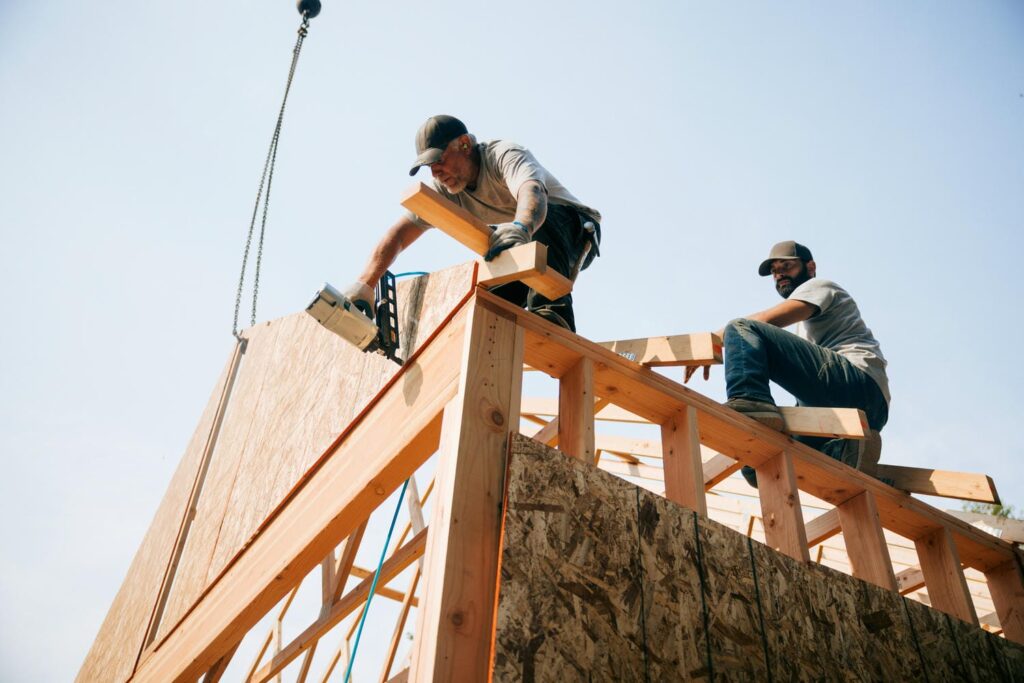
A strong framing crew prepares for inspection before the booking is made. The crew checks the structure, coordinates with trades, closes small deficiencies, and confirms that the site can be reviewed safely. This reduces stress for the builder and helps the next phase start cleaner.
Anvil West’s approach is built around field discipline. Red Seal carpenters lead work on site, stable crews reduce handoff confusion, and our forming-to-framing experience helps us understand how early structure decisions affect inspection readiness later.
Internal Framing Review
An internal framing review checks the work before the inspector sees it. The crew should review approved drawings, hold-downs, straps, hangers, beams, posts, blocking, openings, truss details, stairs, roof framing, and any engineer notes.
This is not about guaranteeing approval. No contractor can do that. It is about reducing avoidable deficiencies by checking the work with a trained eye before the formal inspection.
Anvil West is an ITA-approved Red Seal Carpentry training authority, and our field work is led by Red Seal carpenters. That training culture supports better site habits, clearer expectations, and more consistent review before key inspection points.
Trade Coordination Walkthrough
A trade coordination walkthrough looks at how rough-ins interact with the frame. Holes, notches, chases, duct runs, plumbing stacks, electrical panels, mechanical rooms, and sprinkler piping all need to work with the structure.
This walkthrough should happen while the work is still easy to adjust. If a trade route conflicts with a beam, if a notch is too aggressive, or if a mechanical chase needs more support, the team needs time to fix the issue properly.
The same mindset starts earlier in the build. Foundation layout, anchor bolts, hold-downs, and bearing points all affect the frame, which is why residential foundation forming should be coordinated with the framing plan instead of treated as a separate island.
Deficiency Closeout Before Booking
Deficiency closeout means small issues are corrected before inspection day. Missing fasteners, incomplete blocking, unclear access, loose documentation, open questions for the engineer, and unfinished rough-in conflicts should be addressed before the appointment is booked.
This protects the builder’s schedule. A clean closeout reduces the chance of reinspection fees, trade callbacks, delayed insulation, and stalled finishes.
It also supports a calmer owner experience. When the crew closes gaps before inspection, the build feels more organized and less reactive.
Why Framing Rough-In Inspections Matter On Custom Homes
Framing rough-in inspections matter because they protect the project before the work is hidden. Custom homes usually have more details, more coordination points, and more chances for small mistakes to affect later stages. A clean inspection process helps reduce those risks.
This inspection is not just a municipal requirement. It is a useful checkpoint for the owner, builder, architect, engineer, and trades. It confirms that the visible work is ready to move into the next phase.
Fewer Hidden Problems Before Insulation
The rough-in inspection happens before insulation and wall finishes because hidden work is harder to verify. Once cavities are filled or covered, it becomes more difficult to review framing members, connectors, fire blocking, rough-in penetrations, and structural details.
A clean inspection helps the project move forward with more confidence. It does not prove every detail of the home is perfect, but it does confirm that key visible work has reached an important review point.
For owners, that matters. It gives the project a clear pause before the home starts to close in and the cost of corrections goes up.
Cleaner Handoff To Envelope, Insulation, And Finishing
Framing rough-in approval affects the next trades. Insulators, envelope crews, drywallers, stair teams, finish carpenters, and exterior crews all benefit when the frame is complete, coordinated, and documented.
The City of Vancouver inspection guide shows framing, rain screen, insulation and vapour barrier, and final inspections as distinct stages, which reinforces why sequence matters. Insulation and vapour barrier inspection happens after framing inspection has passed, and interior wall finishes should not start until that stage is complete and approved.
A clean handoff is one of the biggest schedule advantages a framing crew can give. It helps every next trade start with fewer questions.
Better Owner Confidence On Complex Builds
Custom homes often include large openings, complex roofs, taller walls, engineered lumber, stepped levels, architectural stairs, feature ceilings, and demanding mechanical systems. These details can create stress if the owner does not know whether the structure is ready to close in.
The framing rough-in inspection gives the owner a meaningful checkpoint. It shows that the project has reached a point where the visible structure, documents, and rough-in coordination can be reviewed before the home moves toward finishes.
That confidence depends on preparation. A well-led crew, clear documents, and strong trade coordination make the inspection feel like part of the plan, not a last-minute hurdle.
Work With A Red Seal-Led Framing Team That Plans For Inspection
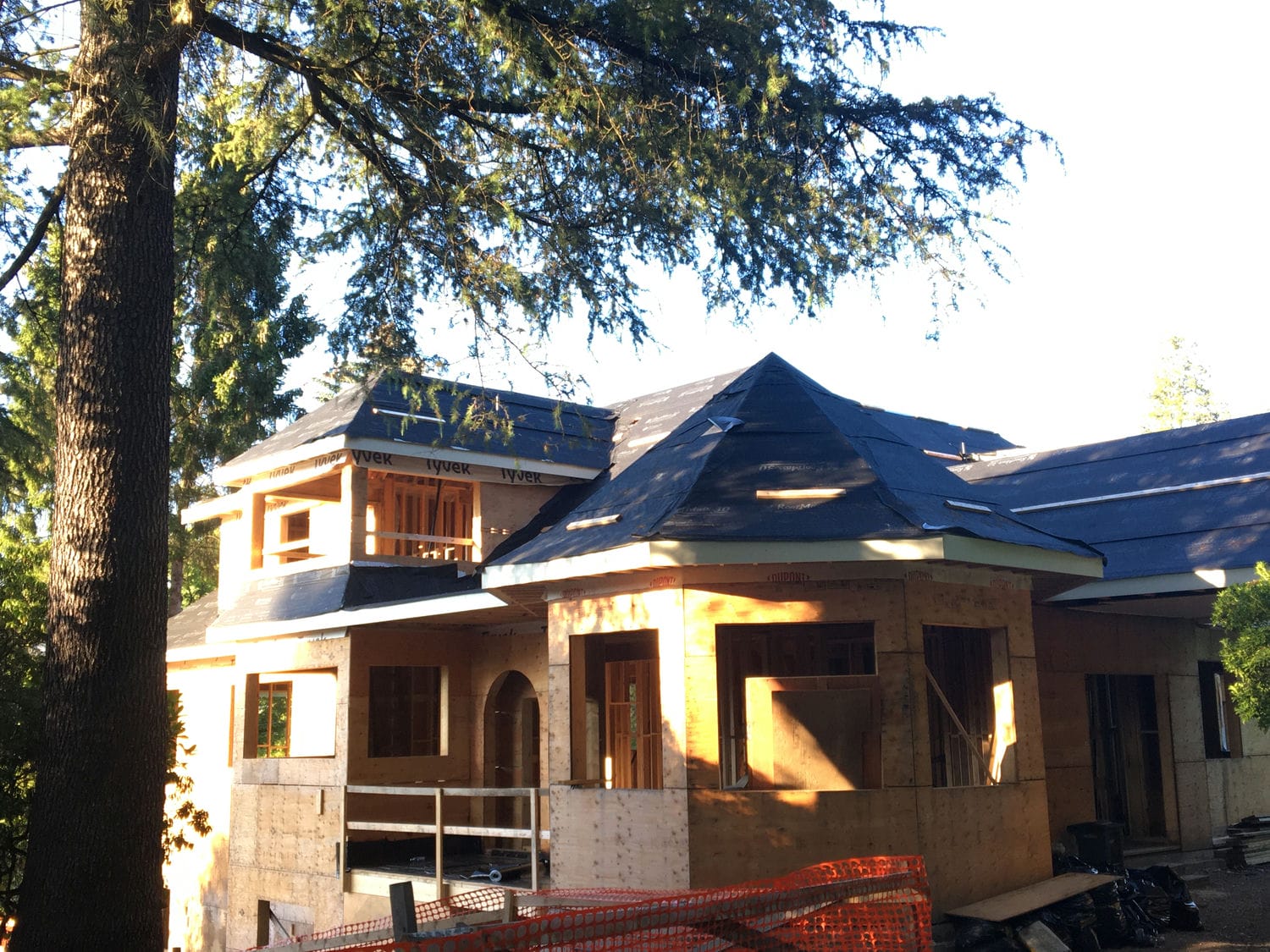
A smoother framing rough-in inspection starts with a crew that builds to the approved drawings, coordinates with trades, and reviews the site before the inspection is booked. Anvil West brings Red Seal-led field leadership, stable crews, and combined forming-to-framing experience to custom homes across Vancouver and the Lower Mainland.
We are owner-led by Luke Creten, in business since 2013, and experienced across complex custom homes, heritage renovations, architectural concrete, residential framing, and residential formwork. That means we understand how the foundation, frame, rough-ins, documents, and next trades need to connect.
To plan your next framing stage with fewer handoff problems, speak with a residential framing contractor in the Lower Mainland that understands inspection readiness from the field up.
You can also book a consultation with Anvil West before your framing inspection window is locked in.
Frequently Asked Questions
What Does A Framing Rough-In Inspection Check In BC?
A framing rough-in inspection checks whether the framed structure and related rough-in work are ready before insulation and finishes cover the work. Inspectors may review approved plans, structural framing, seismic details, stairs, fire blocking, ventilation prep, smoke alarm rough-ins, trade penetrations, and required documents, though the exact checklist varies by municipality and project scope, so for a custom home it is safest to confirm requirements with the local building department and the approved permit package.
When Does The Framing Rough-In Inspection Happen?
It usually happens after the main framing and required rough-ins are complete, but before insulation, vapour barrier, drywall, or other finishes cover the work, so framing and rough-in details stay visible for review, and since timing can differ by municipality, permit type, and project complexity, confirm the sequence before booking or closing any walls.
Do Plumbing, Electrical, Gas, And Mechanical Rough-Ins Need To Be Complete First?
Often, yes, or they need to be coordinated in the sequence required by the municipality, because trade rough-ins pass through walls, floors, ceilings, chases, and service spaces and can affect framing, so the builder should confirm which trade inspections are required and when they need to happen, and the framing crew should also review trade penetrations before the inspection window.
What Documents Should Be Ready For A Framing Inspection?
The site should have approved permit drawings, required engineer letters, roof truss documents, field memos, ventilation checklists, and any project-specific documents required by the municipality or permit package, since missing documents can delay the inspection even if the physical framing is close to complete, so keep current approved drawings and required letters available on site.
Can Insulation Start Before The Framing Inspection?
Do not start insulation or cover framing before confirming inspection requirements. If framing, fire blocking, or rough-in work is covered too early, the inspector may require areas to be opened so the work can be reviewed, so the safer sequence is to pass the required rough-in inspection before moving into insulation, vapour barrier, drywall, or finishes.
What Causes A Framing Inspection To Fail Or Get Delayed?
Common causes include incomplete framing, missing connectors, unresolved engineer details, incomplete trade rough-ins, unsafe access, missing documents, work covered too early, or a site that is not ready for inspection, though most of these issues can be reduced with an internal framing review before booking by a disciplined crew that checks the structure, documents, and trade coordination before the inspector arrives.
Who Books The Framing Rough-In Inspection?
The permit holder, builder, or contractor usually books the inspection, depending on the municipality and permit setup. Burnaby notes that the permit holder is responsible for arranging required inspections, and that the permit package identifies inspections specific to the project, so the project team should confirm the booking process with the local building department rather than assume the same process applies across every Lower Mainland municipality.
Do Framing Inspection Requirements Differ Between BC Municipalities?
Yes. The BC Building Code sets provincial construction standards, but municipalities administer permits and inspections through their own processes, bylaws, and documentation requirements, and local government requirements may vary depending on project type and location, so for custom homes in Vancouver, Burnaby, Richmond, Surrey, Coquitlam, and other Lower Mainland cities, always confirm the current inspection sequence with the municipality and permit package.