Framing Resources
Fixed-Price Framing Contract BC: Why It Protects Custom Home Budgets

A fixed-price framing contract protects a custom home budget by turning the approved framing scope into a defined price before the crew starts. It works best when the drawings, engineering, lumber package, inclusions, exclusions, schedule assumptions, and change-order rules are clear. If you are comparing bids for a custom home framing contractor, the goal is…
Read MoreHow Long Does Foundation Forming Take On A Custom Home?
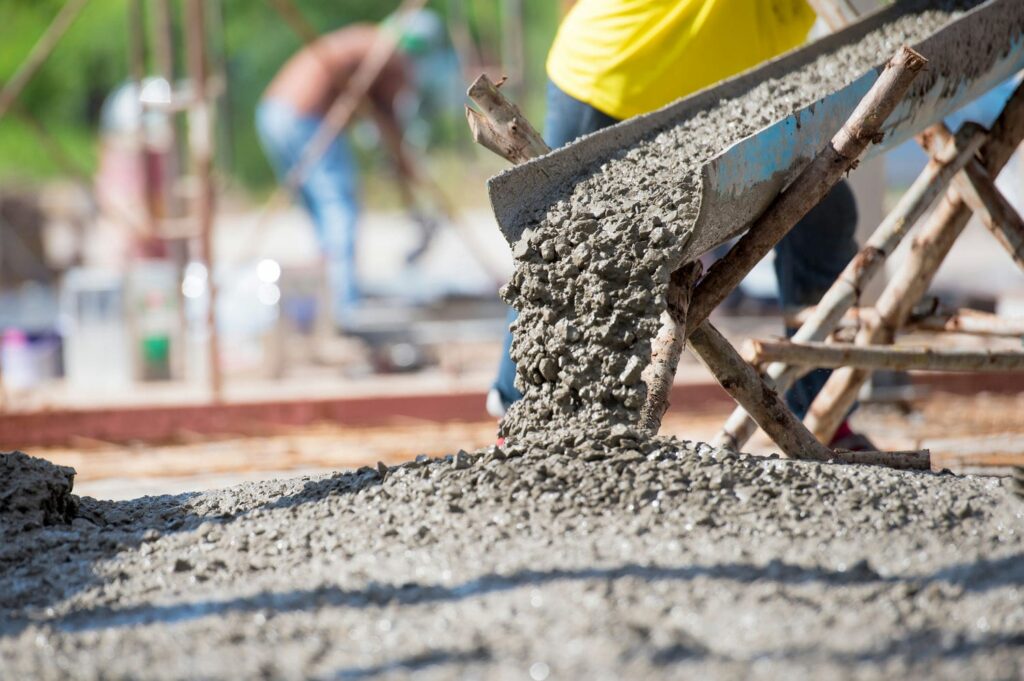
Most custom home foundation forming timelines are measured in weeks, not days. A straightforward Lower Mainland foundation may take roughly 2 to 4 weeks from excavation-ready handoff to stripped foundation, while complex sites can take longer because layout, reinforcing, inspections, concrete pours, drainage, waterproofing, weather, and framing handoff all need to line up. Disciplined residential…
Read MoreType V Wood-Frame Multifamily Construction In BC: Framing Considerations
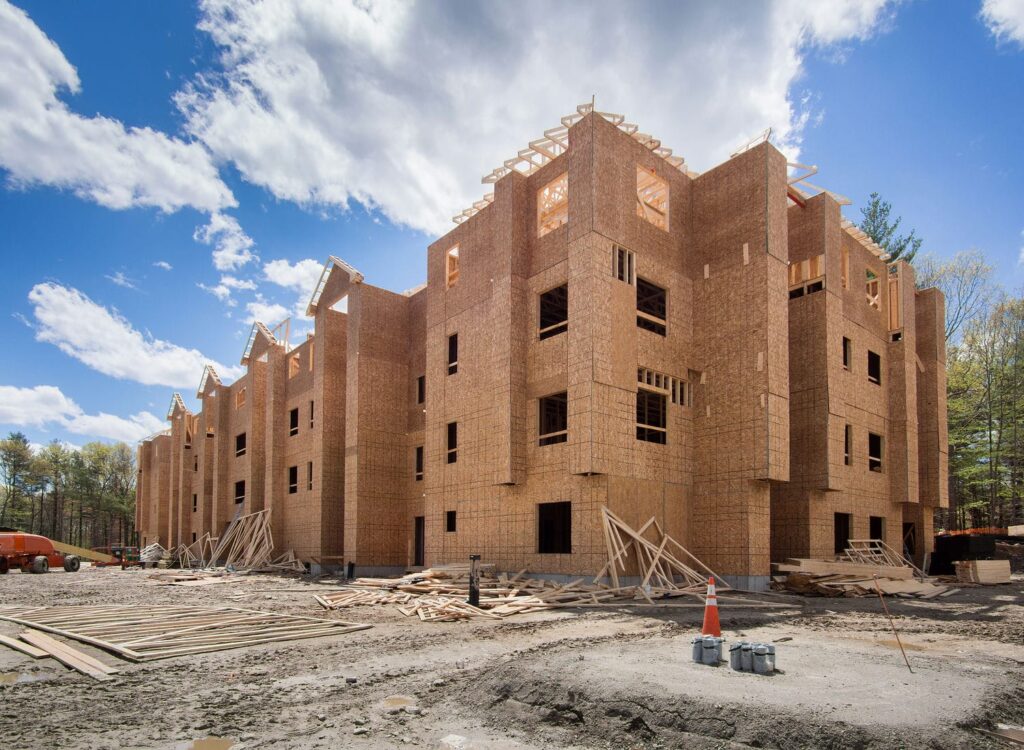
Type V wood-frame multifamily construction in BC needs more than fast wall framing. The framing crew must work from the approved code path, structural drawings, fire and acoustic assemblies, lateral details, MEP routes, floor-to-floor stacking, weather plan, and inspection sequence. Getting the commercial wood framing details right at this stage lets construction managers plan the…
Read MoreCustom Home Framing Process In Vancouver: From Sill Plate To Roof
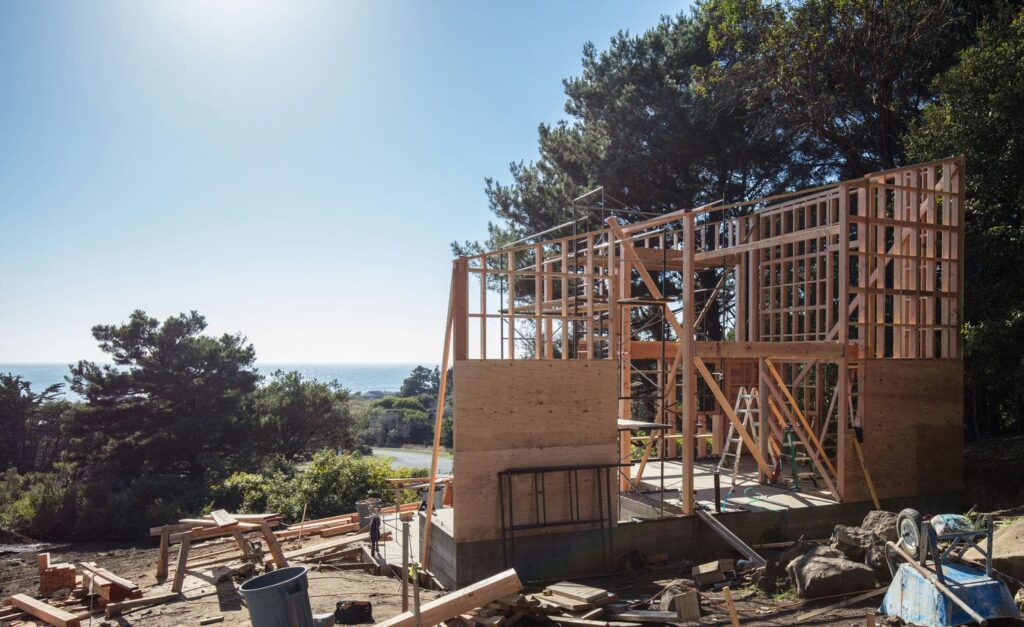
The custom home framing in Vancouver usually moves from foundation checks and sill plates to floor systems, walls, beams, stairs, upper levels, roof framing, sheathing, rough-in coordination, and inspection readiness. The exact sequence depends on the approved drawings, structural engineer, municipal requirements, supplier layouts, weather, access, and site conditions. On a Vancouver custom home, the…
Read MoreFraming Rough-In Inspections In BC: What Gets Checked And Why
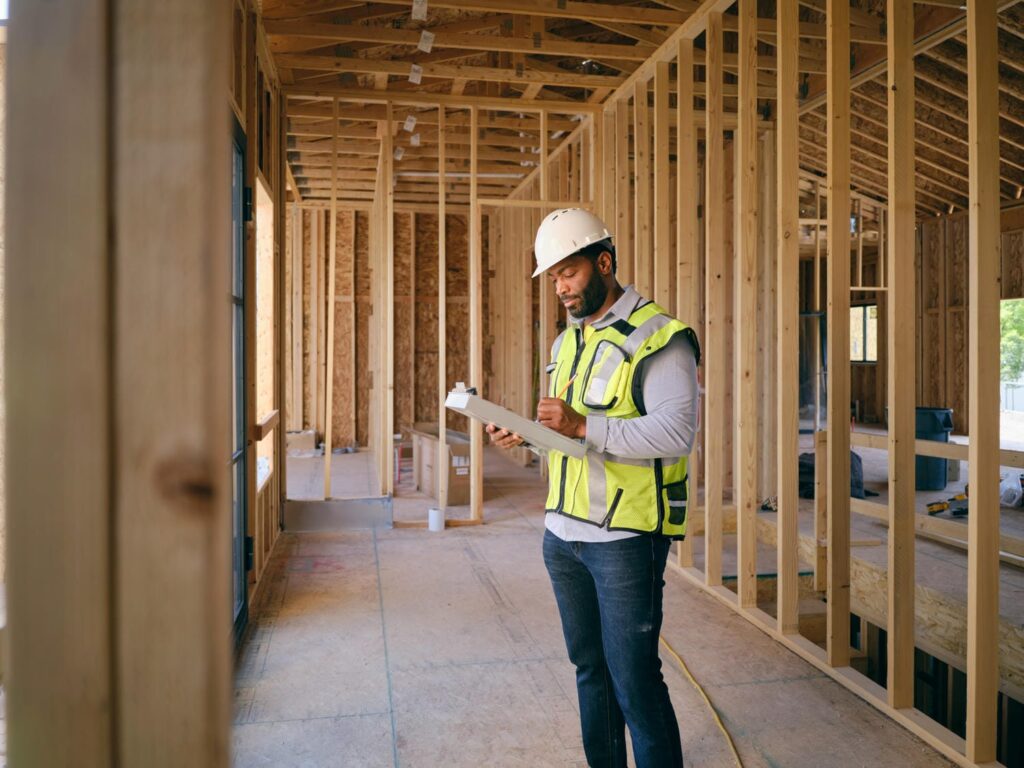
A framing rough-in inspection in BC checks whether the structure and rough-in work are ready before insulation, vapour barrier, drywall, or wall finishes cover the work. On custom home framing, inspectors and field reviewers may look at approved plans, structural framing, seismic and shear details, stairs, fire blocking, trade rough-ins, ventilation prep, smoke alarm rough-ins,…
Read MoreEngineered Lumber Vs Dimensional Lumber: Framing Your Custom Home
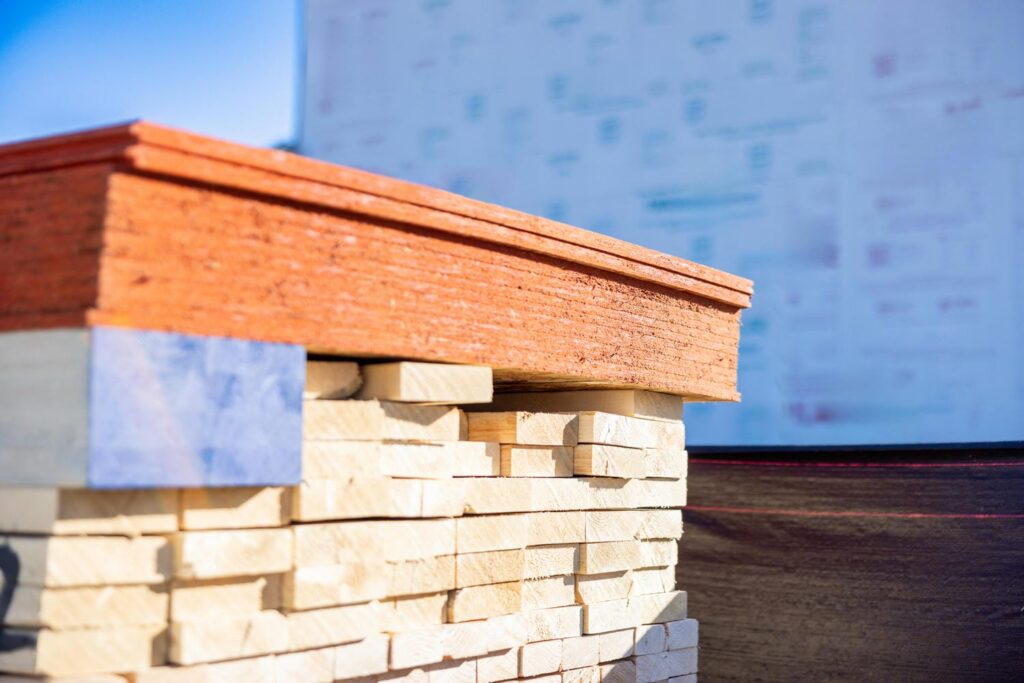
Engineered lumber is usually the better choice for long spans, large openings, structural beams, floor systems, and design details that need predictable strength or straighter material. Dimensional lumber is still the right fit for many studs, plates, blocking, short spans, and conventional wood frame details. In custom home framing, the best answer is rarely one…
Read More